
No products in the cart.
Learning Center
Living with Diabetes
Diabetes affects how your body turns food into energy. About 38 million Americans have it, and many more have prediabetes. This guide covers the main types, the basics of day-to-day management, and how continuous glucose monitors (CGMs) can make tracking your glucose easier.
Types of diabetes
Type 1
The body makes little or no insulin, so insulin must be taken every day. It’s thought to be autoimmune and isn’t caused by lifestyle. About 5–10% of people with diabetes have type 1.
Type 2
The most common type, about 90–95% of cases. The body doesn’t use insulin well. It’s managed with healthy eating, activity and, often, medication or insulin.
Gestational
Develops during pregnancy in people who didn’t already have diabetes. It usually goes away after birth but raises the later risk of type 2.
Prediabetes
Glucose is higher than normal but not yet diabetes. More than 1 in 3 U.S. adults have it, and lifestyle changes can prevent or delay type 2.
Day-to-day management
Know your numbers
Check your glucose as your care team recommends, with a meter or a CGM, and share the results at visits.
Eat with a plan
Balanced meals with vegetables, lean protein and fiber help keep glucose steadier. A dietitian can build a plan around foods you like.
Stay active
Regular activity helps your body use insulin better. Even short walks after meals can help.
Take medicines as prescribed
Pills, injectables or insulin work best when taken as directed. Ask before making changes.
Highs and lows
Low blood glucose (hypoglycemia)
Can cause shakiness, sweating, fast heartbeat, confusion or irritability. Keep fast-acting sugar with you and follow the plan your doctor gives you.
High blood glucose (hyperglycemia)
Can cause thirst, frequent urination, tiredness or blurred vision. Over time, high glucose can damage the heart, nerves, eyes and kidneys.
Get emergency help for a severe low, such as someone who is confused, can’t eat or drink safely, or passes out.
How a CGM helps
A continuous glucose monitor is a small sensor worn on the arm or belly. It reads glucose all day and night and sends it to a phone or reader.
See the whole day
Readings every few minutes show how food, activity, sleep and medicine affect you.
Trend arrows
See whether glucose is rising or falling, not just where it is right now.
Alerts for highs and lows
Alarms can warn you, or someone you share data with, before a low becomes dangerous.
Fewer fingersticks
Most current CGMs don’t need routine fingerstick checks. You should still check with a meter if symptoms don’t match the reading.
Time in range
CGMs report time in range: the share of the day your glucose stays between 70 and 180 mg/dL. An international consensus published in Diabetes Care set these goals for most adults with type 1 or type 2 diabetes:
More than 70%
In range (70–180)
About 17 hours a day.
Less than 4%
Below 70 mg/dL
About 1 hour a day.
Less than 25%
Above 180 mg/dL
About 6 hours a day.
Goals differ for older adults, people at high risk of lows, and pregnancy. Your doctor will set the targets that are right for you. Each 5% gain in time in range, about an hour a day, is considered meaningful.
Insurance and Medicare
Since April 2023, Medicare covers CGMs for people with diabetes who use any kind of insulin, or who don’t use insulin but have a documented history of problematic low blood sugar. You need a recent visit with your doctor, and follow-up visits about every six months to keep coverage. Most private plans also cover CGMs. We check your benefits and handle the paperwork with your doctor.
Medicare tip: for Dexcom G6 and G7, Medicare covers supplies only if you also use the Dexcom receiver, not just a phone. You can use both.
Getting your CGM through EzDME
1
Verify eligibility
Send us your insurance details online or by phone. We check what your plan covers and what you’ll owe.
2
We contact your doctor
We request the prescription and visit notes your plan needs, so you don’t have to chase paperwork.
3
Shipped to your door
Dexcom or FreeStyle Libre supplies arrive at home, with help getting started if you need it.
4
Easy reorders
Reorder online or by phone when you’re running low. If a sensor fails early, the manufacturer replaces it, and we’ll show you how.
Our diabetes products
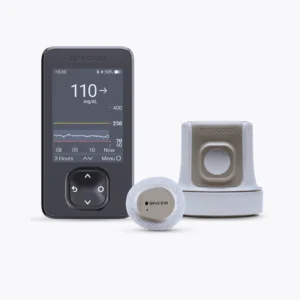 Dexcom G7Real-time CGM with alerts, read on your phone or receiver.CGM supplies →
 FreeStyle LibreSmall, wear-and-go sensors that send readings to your phone or reader.CGM supplies →
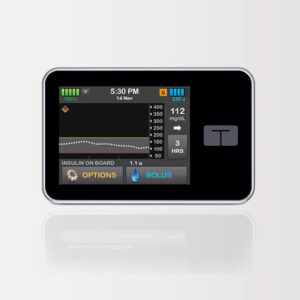 Insulin pumps & suppliesTandem and Omnipod systems through insurance. Coverage is checked first.See insulin pumps →
 Sensor replacementSensor fell off or failed? Get it replaced by Dexcom or Abbott.Replacement help →
Articles from our team
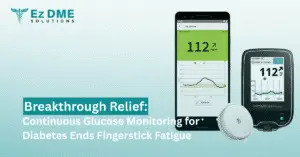 Complete Guide to Health Insurance Coverage for the FreeStyle Libre 3 PlusRead article →
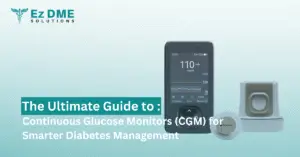 Beyond the Finger-Prick: How Continuous Glucose Monitors Are Changing LivesRead article →
 Breakthrough Relief: Continuous Glucose Monitoring for Diabetes Ends Fingerstick FatigueRead article →The Ultimate Guide to Continuous Glucose Monitors (CGM) for Smarter Diabetes ManagementRead article →
 Time in Range (TIR): Critical Guide for Safer and Smarter DME Diabetes ManagementRead article →
 Freestyle Libre 2 Starter Kit: Your Complete Guide to Continuous Glucose MonitoringRead article →
Trusted resources
Ready to try a CGM?
Tell us about your insurance. We’ll check your coverage and work with your doctor.
This guide is general education, not medical advice. Talk with your doctor or diabetes care team about your treatment.
- CDC / NIDDK. National Diabetes Statistics Report (2021 estimates).
- Battelino T, et al. Clinical targets for continuous glucose monitoring data interpretation: recommendations from the International Consensus on Time in Range. Diabetes Care. 2019. doi:10.2337/dci19-0028.
- DME MACs. Local Coverage Determination: Glucose Monitors (L33822), revised April 16, 2023.